

01
Andalusia
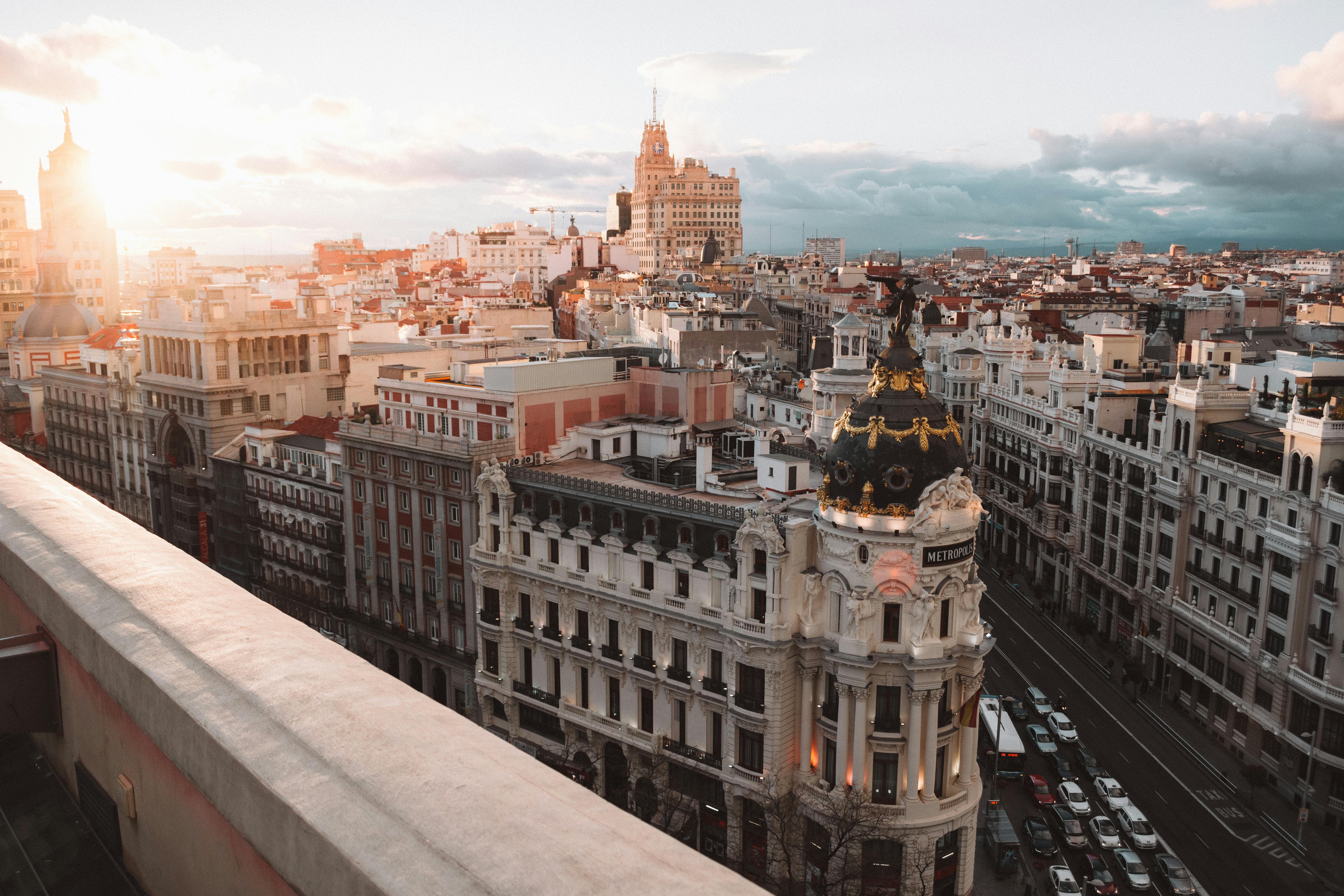
White villages (pueblos blancos), the Alhambra in Granada, flamenco in Jerez, and the Coto Doñana national park. Europe's most dramatic cultural landscape. Visit October–April.
Wild camping, flamenco, surf & the most diverse landscapes in Europe
Spain is the country that van-lifers talk about in hushed, reverential tones. Where else can you park beside a flamenco village in Andalusia one night, wild camp above the clouds in the Pyrenees the next, and watch Atlantic waves crash at a Galician headland the night after that?
Wild camping is possible across vast swathes of the country, the road network is extensive, and the Spanish attitude to life — slow mornings, long lunches, unhurried evenings — is the perfect match for life on the road. Just account for the heat in July and August, when the interior can push beyond 45°C.
Spain's diversity is extraordinary — these six capture why van-lifers always return.
White villages (pueblos blancos), the Alhambra in Granada, flamenco in Jerez, and the Coto Doñana national park. Europe's most dramatic cultural landscape. Visit October–April.
Atlantic Spain — rain-green valleys, dramatic granite rias, the end of the Camino de Santiago, and the best seafood in the country. Unexpectedly wild for a corner of Europe so close to France.
Ordesa y Monte Perdido national park contains some of the most dramatic mountain scenery in Europe. Wild camping is permitted in many areas. The Aragonese valleys are quieter than the French side.
Spain's forgotten corner — rolling dehesa oak savannah where black pigs roam for jamón ibérico, Roman ruins at Mérida, and more bird species than anywhere else in Europe. Gloriously empty.
The real Costa Brava — the northern stretch near Cadaqués and Cap de Creus — is rugged, beautiful, and far from the package-holiday image. Salvador Dalí's house at Portlligat is here.
San Sebastián is the food capital of the world by Michelin star density. The Basque coast has serious surf at Mundaka. Bilbao's Guggenheim is the finest modern museum building in Europe.
Spain rewards the prepared van-lifer — especially in summer.
Spain has no single national law on wild camping — it's regulated at the regional level, and the rules vary significantly between autonomous communities. In practice, across most of rural Spain, overnight stops in a self-contained motorhome are widely tolerated provided you stay no more than one or two nights in any spot.
In July and August, interior Spain regularly exceeds 40°C. Seville, Córdoba, and the Meseta plateau are among the hottest inhabited places in Europe. This is not a minor inconvenience — it is a serious factor that affects driving, sleeping, and food storage in a van.
Spain is progressively abolishing motorway tolls — many previously tolled routes are now free. However, Catalonia retains significant toll charges, and certain major routes still require payment. The situation is changing rapidly; always check current status before planning a route.
Spain runs on a schedule unlike anywhere else in Europe. Dinner begins at 21:00 at the earliest; many restaurants won't seat you before 21:30. Lunch is the main meal of the day, typically 14:00–16:00. Shops close in the afternoon and reopen 17:00–20:00.
Water scarcity is a genuine issue in southern and central Spain, particularly in summer. Tap water is safe to drink in most of Spain but can taste heavily chlorinated in the south. Many van-lifers use a filter system or rely on the widespread bottled water dispensing machines (garrafónes).
Spain's EV charging network is growing rapidly but remains uneven. Major cities — Madrid, Barcelona, Seville, Valencia — are well served. Motorway corridors along the coast have adequate fast chargers. Rural inland areas, particularly Extremadura, inland Andalusia, and Castile, can have significant gaps between chargers.
Spain is vast — these routes make sense of the choice and point you toward the best van roads.
White villages, flamenco, Atlantic surf, and the wildest corner of the Galician coast.
Mountain passes, Romanesque villages, and the wild northern coast of Catalonia.
Real vanlifers, real moments — submitted by people just like you.
Be the first to share a photo from Spain
Submit yours below ↓Your turn
Your photos, parking spots, and honest stories help thousands of other vanlifers plan better trips. We review every submission and feature the best ones on this page.
Continue your journey
Spain is just the beginning. Here's where most vanlifers head next.