

01
Luxembourg City
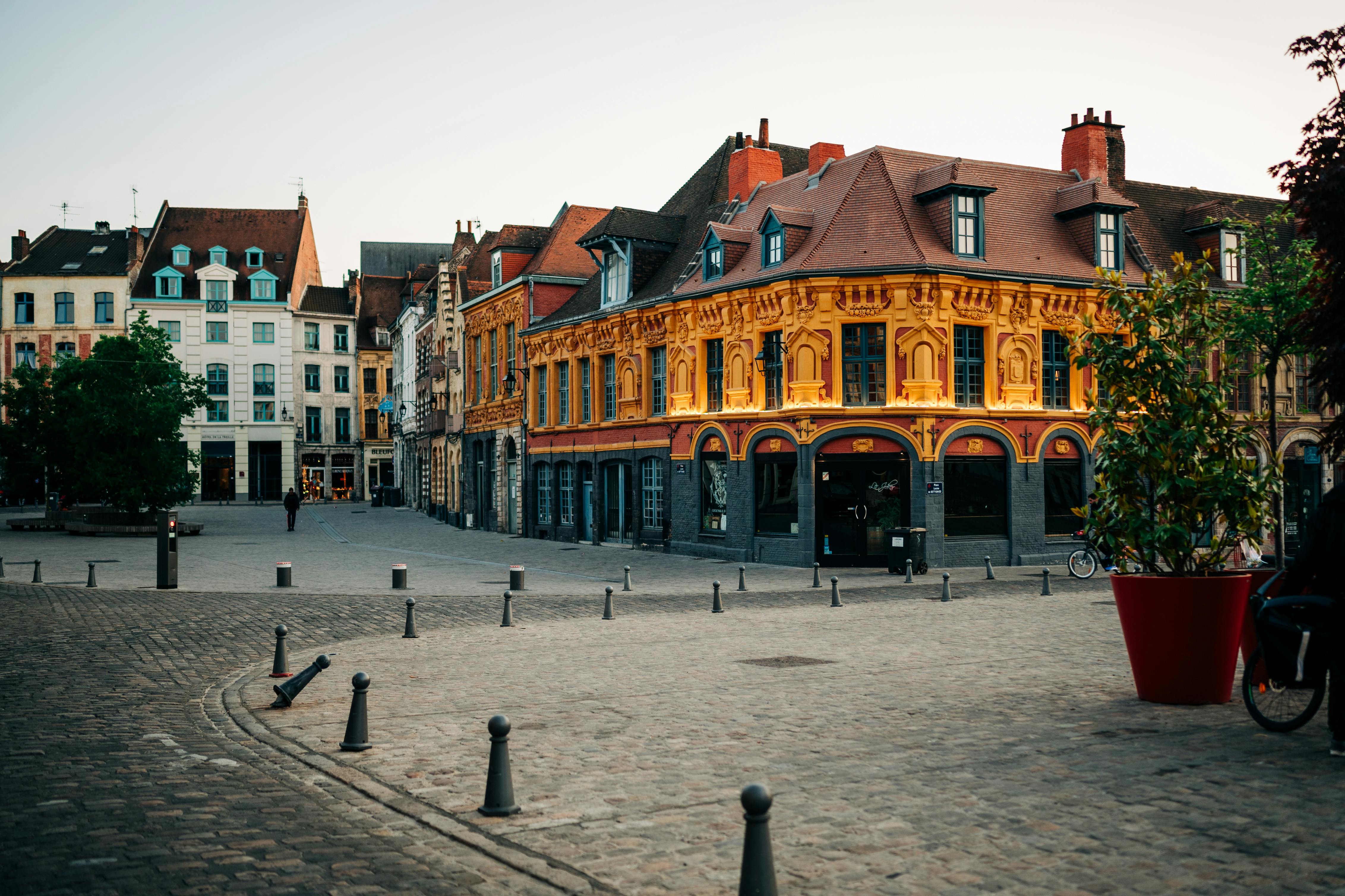
A UNESCO World Heritage capital built on dramatic cliff-top fortifications. The Bock casemates, the Chemin de la Corniche, and the Grund district below are all extraordinary. Park at the perimeter and walk in.
Tiny grand duchy, mighty castle country — and the cheapest fuel in the Benelux
Do not let the size fool you. Luxembourg packs extraordinary variety into 2,586 km² — dramatic river gorges, ancient castles perched on sandstone crags, a UNESCO-listed capital city, and the wild forests of the Ardennes extending across its northern half.
For van-lifers, Luxembourg is both a destination and a perfect base. You can reach Paris, Brussels, Amsterdam, Frankfurt, and Strasbourg within three hours. Fill up before you leave — fuel prices here are consistently among the lowest in Europe due to favourable excise duty rates.
Six unmissable places within Luxembourg's compact borders.
A UNESCO World Heritage capital built on dramatic cliff-top fortifications. The Bock casemates, the Chemin de la Corniche, and the Grund district below are all extraordinary. Park at the perimeter and walk in.
Known as "Little Switzerland" — a network of hiking trails through bizarre sandstone rock formations, narrow gorges, and mossy forests in the east. Excellent campsites throughout.
The Luxembourg Moselle produces excellent Riesling, Pinot Gris, and Crémant sparkling wine. Drive the wine road along the river, stop at village caves (wine cellars), watch the sun set over the vineyard slopes.
One of the most beautiful small towns in Europe: a perfectly preserved medieval castle looms above a village in a steep valley of the Our river. Victor Hugo lived here in exile and loved it.
The wildest part of Luxembourg — the Our river forms the border with Germany through dense Ardennes forest. Excellent wild-feeling hiking, kayaking, and cycling with very few other visitors.
A dramatic village almost entirely encircled by the Sûre river, with a ruined castle above on a rocky promontory. The nearby Lac de la Haute-Sûre offers swimming and water sports in summer.
Making the most of Luxembourg in your van.
Luxembourg levies significantly lower fuel excise duty than its neighbours. Petrol and diesel are noticeably cheaper here than in Belgium, France, or Germany — often by 10–20 cents per litre. This has made it a well-known "fuel tourism" destination for drivers from across the region.
Wild camping is prohibited throughout Luxembourg, and the country is small enough that enforcement is fairly consistent. The good news is that Luxembourg has a well-maintained network of campsites, particularly in the Mullerthal and Our Valley regions.
There are absolutely no motorway tolls in Luxembourg. The road network is in excellent condition for its mountain and valley terrain. Drive the entire country without paying a single toll — a refreshing contrast to France and Belgium.
Luxembourgish is the national language, but almost everyone speaks French, German, and often English fluently. Road signs are mostly in French or German. Do not be surprised to hear all four languages in a single conversation — this is entirely normal here.
Since 2020, Luxembourg made all public transport — trains, trams, and buses — completely free for all passengers. This is the first country in the world to do so at a national level. As a van-lifer, this is genuinely useful: park your van at a P+R facility and use the tram or bus to visit Luxembourg City without the stress of urban parking.
Luxembourg has an extraordinary density of medieval castles — more castles per square kilometre than almost anywhere else in Europe. The Route des Châteaux connects over a dozen within a single day's gentle drive through river valleys and forested hills.
Most castles have free or very low-cost entry (€3–8). Many have excellent views from their ramparts that justify the climb even if you skip the indoor exhibition. Access roads are sometimes narrow — check van height and width restrictions before driving in.
Luxembourg is small but dense — these routes make the most of every kilometre.
Castles, Ardennes forest, river valleys — the wild north of Luxembourg in a long weekend.
Sandstone gorges, wine villages, and the eastern Luxembourg that most visitors rush past.
Real vanlifers, real moments — submitted by people just like you.
Be the first to share a photo from Luxembourg
Submit yours below ↓Your turn
Your photos, parking spots, and honest stories help thousands of other vanlifers plan better trips. We review every submission and feature the best ones on this page.
Continue your journey
Luxembourg is perfectly placed. Here's where most vanlifers head next.